Every architectural project begins with practical conversations about budget, timelines, materials and constraints.
But as these key parameters take shape, the true ambition of a project emerges – edging towards the moment when an architect can answer with certainty: is this simply another well-executed luxury home? Or is it something more?
Crossing that threshold opens the door to different kind of conversation – one about intent and legacy that changes the way architects think about materials. The focus shifts from what’s feasible, to what will make this project truly exceptional.
This is often where bronze first becomes a possibility.
It’s chosen when a project’s core parameters clearly place it in a different category – when material integrity, architectural significance and future legacy are intrinsic to the brief.
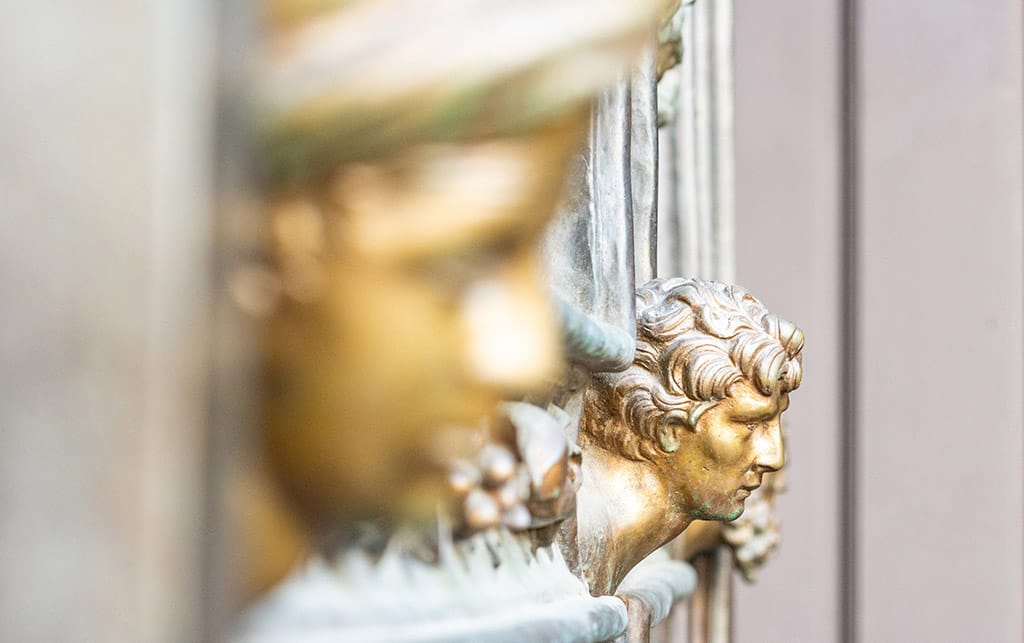
Bronze has always signalled importance
The origins of bronze are humble. It’s thought to have been discovered accidentally, when Bronze Age craftsmen smelted mixtures of copper, tin and arsenic ores, and found that the resulting metal alloy made superior tools and weapons – stronger and sharper than copper alone.
Eventually, iron replaced bronze for many basic implements. Harder, stronger and easier to work with when fine detail wasn’t required, iron became the material of everyday practicality.
This left bronze with a much more prestigious, ornamental role to play. It was used for ceremonial weapons, medals and jewellery; it adorned chariots and sacred temples; it was cast into elaborate statues honoring the bravest warriors and most revered leaders.
Later, it came to define the highest echelons of architecture – the cathedrals and palaces around which civilizations rose and fell over centuries. It became a way to signal importance and wealth – a status symbol that was readily copied by the most affluent in society when they built their own homes and estates.
This rich history means that bronze today still carries cultural weight today, evoking the same sense of permanence and old-money prestige that it has always done.
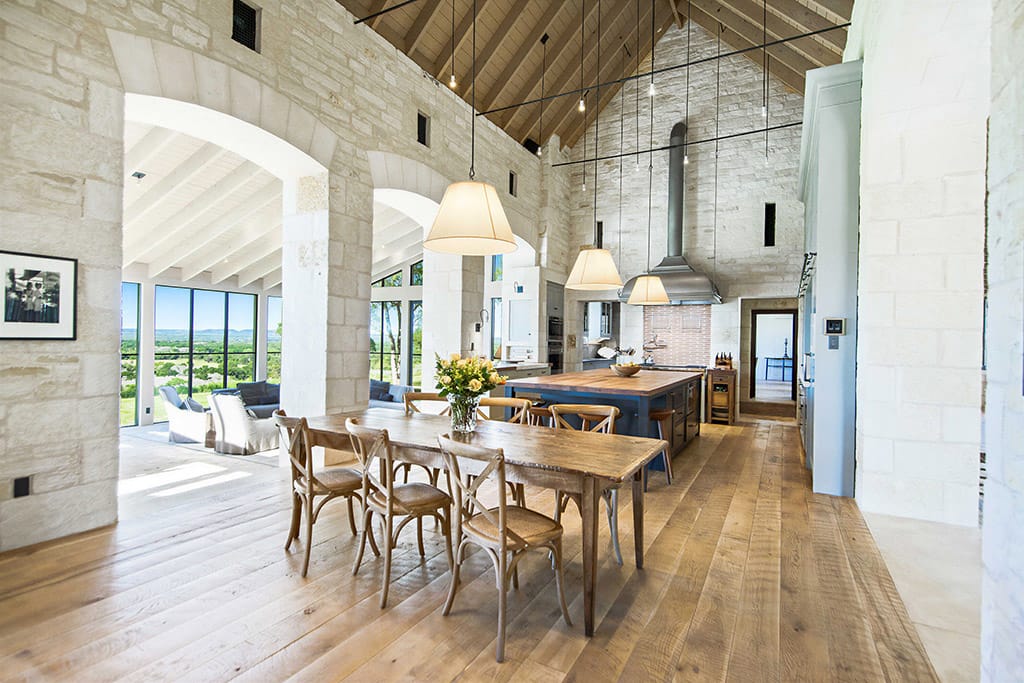
Bronze as a statement of intent
Choosing bronze isn’t just about the material itself – it’s about putting your project in a different category, where design decisions are made with reverence for the past, and a discerning eye on legacy.
Sometimes it’s about preserving and restoring old construction to its former glory. Other times it’s about infusing new construction with the kind of architectural integrity that makes a statement today, while assuring its future as a building of note.
Either way, it’s often the architect that encourages a client to think about their project in these more expansive terms – not just as a luxury home for today, but as an heirloom; a physical manifestation of their success, with the ability to resonate across future generations.
This is where bronze captures the imagination of homeowners looking to leave a real mark. Material language takes on a new significance – exploring why certain materials endure, why they carry a certain symbolism or meaning, and why they’re perceived as better or more ‘serious’ than the alternatives.
A Bronze Discovery Session is often the moment they stop thinking about materials and finishes, and start thinking about how they want their home to feel – or what they want it to say. Bronze becomes the conduit for that message.
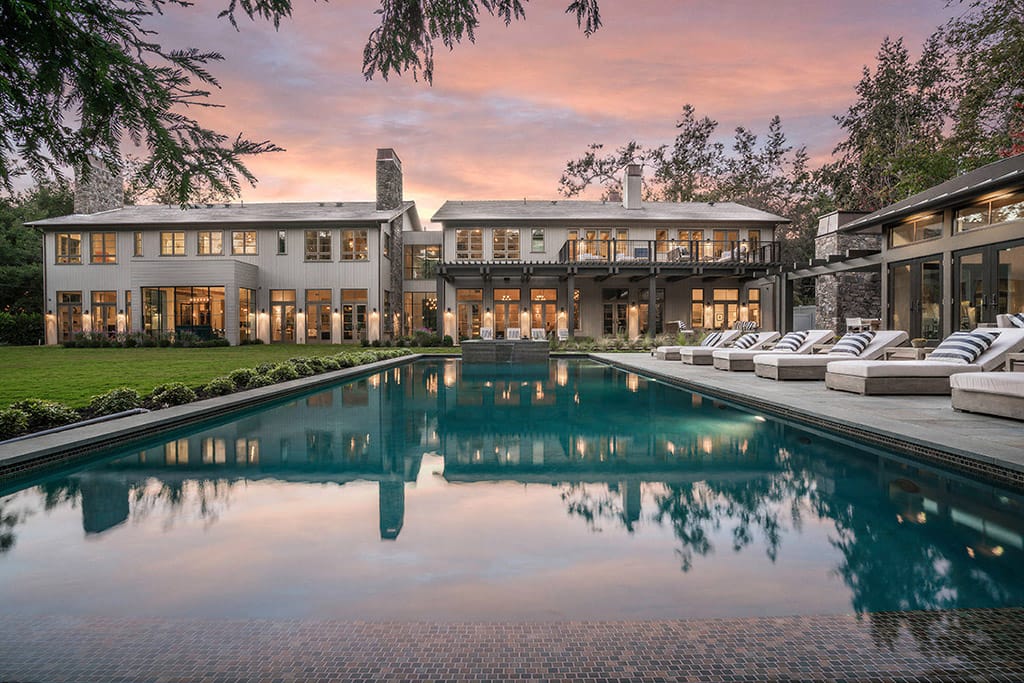
Performance that endures
Of course, the enduring appeal of bronze is not purely symbolic. Its physical properties have always made it uniquely suited for architectural applications – and as architecture has evolved, so has bronze manufacturing.
Today, bronze is not just one of the most beautiful and prestigious materials you can specify for windows, doors and enclosures – it’s one of the highest-performing, and longest-lasting.
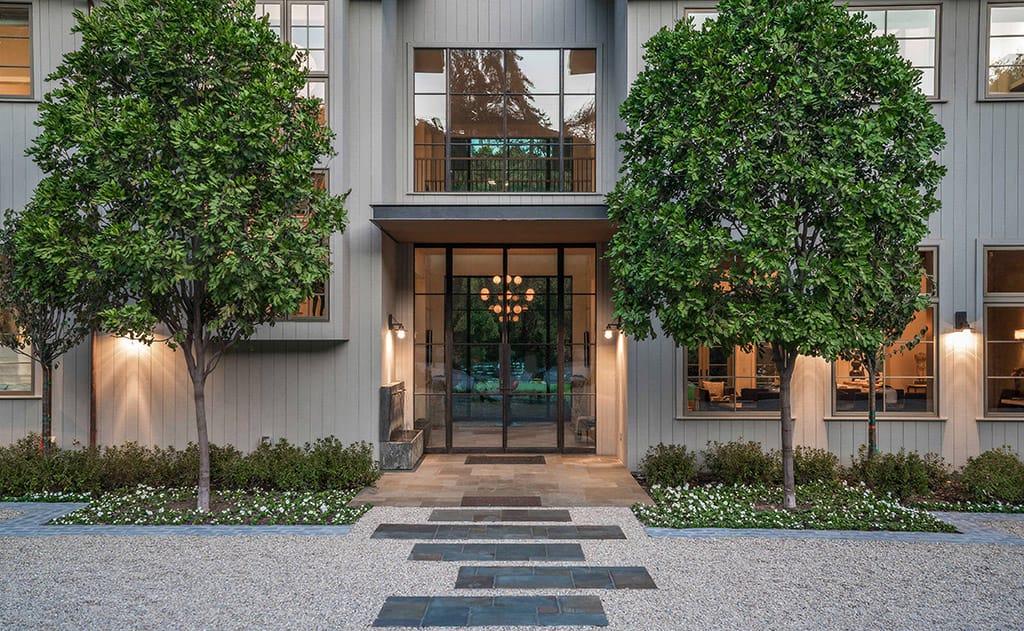
Naturally resistant to corrosion and mold, bronze performs exceptionally in every environment, even when exposed to the elements. Unlike many materials, it doesn’t degrade over time, instead developing a rich, living patina that enhances its character while preserving its integrity.
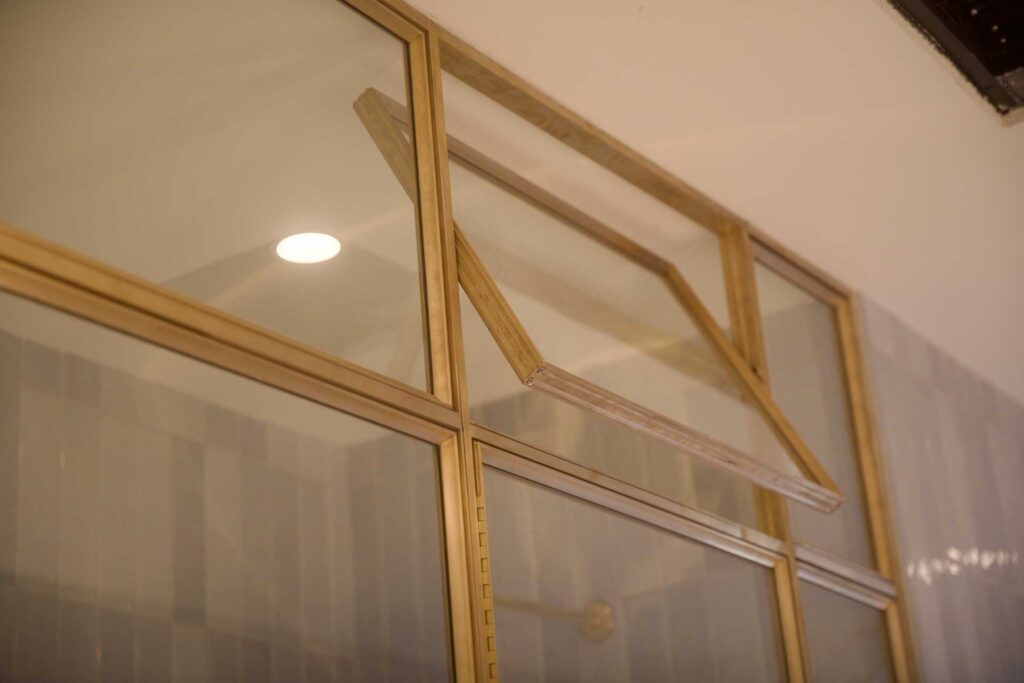
Its innate strength means bronze can be extruded into incredibly fine, detailed forms, incorporating thermal breaks and advanced glazing into true divided lite windows with narrowest-in-class sightlines. Once a customer experiences these qualities for themselves, choosing anything that isn’t bronze feels like a compromise too far.
Create your legacy with bronze
What’s fascinating about bronze is that the characteristics that make it desirable are the same characteristics that define it as an heirloom material. Whichever way you approach it – aesthetic or technical – bronze aligns naturally with the heritage-first mindset high-value projects demand.
In this context, bronze is more than a material choice. It becomes part of the story a building tells – about status, ambition, and the legacy it is designed to carry forward.If you’re ready to explore what bronze could bring to a project, our Discover Sessions are a natural place to begin. Reserve your session to explore the concept of bronze as a legacy material, capable of taking architecture to the next level.