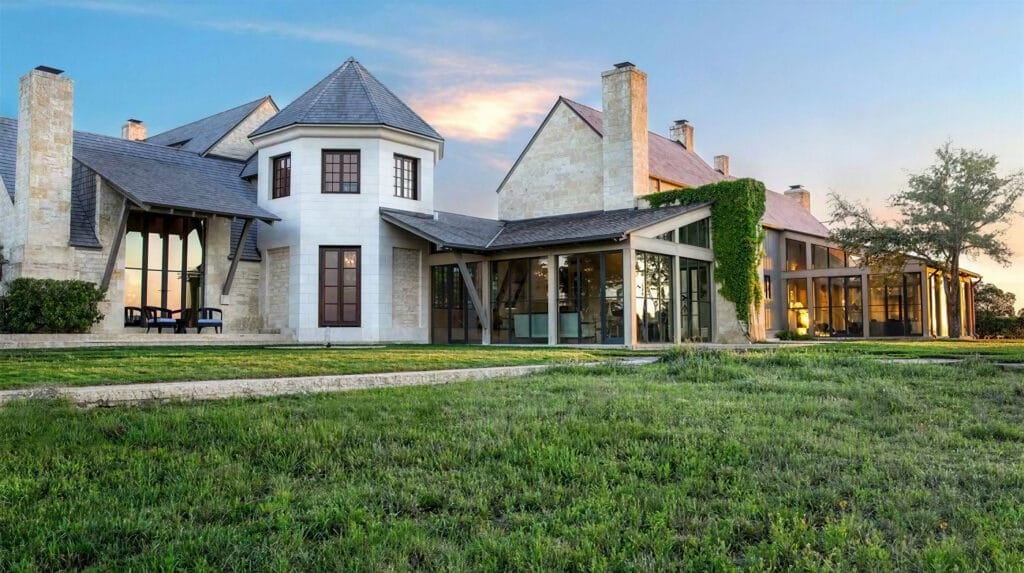
Windows define a building as much as any structural decision an architect makes. They determine how light enters a space, how a façade looks from the street, and how a building relates to its surroundings – and no window type makes that influence more visible than True Divided Lite.
True Divided Lite windows – where each pane is individually glazed within a structural grid of muntin bars – produce optical effects no simulated alternative can replicate: multiple panes reflecting and refracting light independently, casting shadows into reveals, and changing with the seasons and the hour.
This guide covers what sets TDL windows apart, how they perform thermally, and why bronze is the material of choice for architects specifying them at the highest level.
What does True Divided Lite mean?
True Divided Lite refers to the structure of a multi-pane window or door where each pane is separated by a grid or grille of wooden or metal bars called muntin bars. These bars form a structural part of the window frame itself, so each aperture has to be individually glazed, and each window pane is ‘truly divided’ from the next.
True Divided Lite windows have been around since medieval times, when glass could only be manufactured in small sizes. In order to make windows large enough to be practical, multiple small panes were fitted into a metal frame. As manufacturing technology evolved, TDL windows were also made from wood, which was cheaper and more readily available.
Today, TDL windows are commonly made from timber, steel, aluminium and bronze – with bronze and steel preferred for projects where refined sightlines and heritage-grade longevity are a priority.
What’s the alternative to TDL windows?
The alternative to TDL windows is Simulated Divided Lite (SDL) where a single, large pane of glass is made to look like multiple small panes through the application of a grid or grille on to the surface of the glass, or sometimes sandwiched between the leaves of a double-glazed pane. The panes look divided, but they are not.
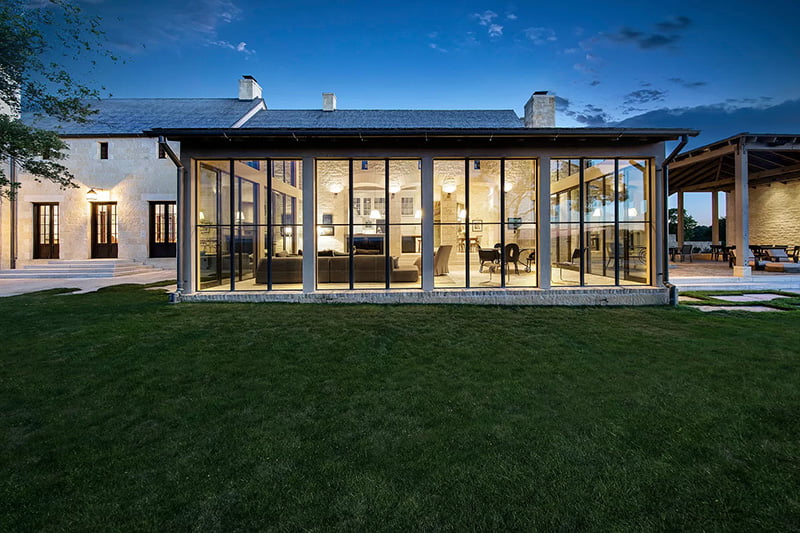
What sets TDL windows apart?
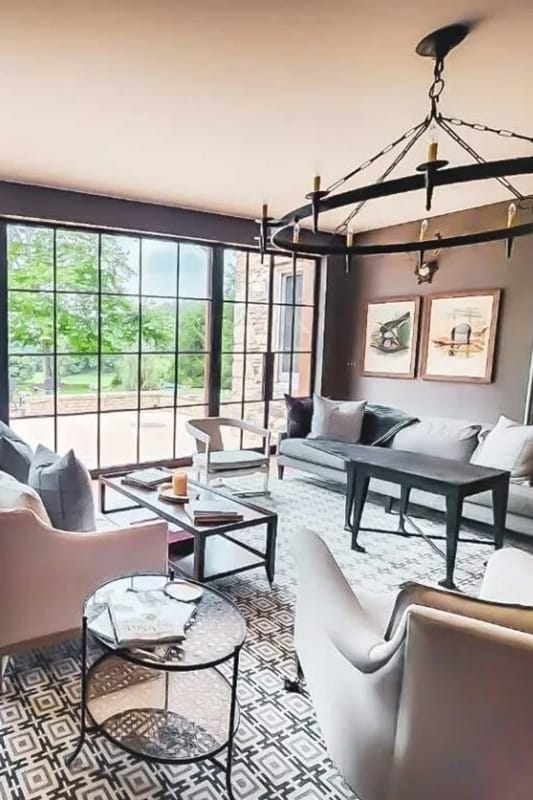
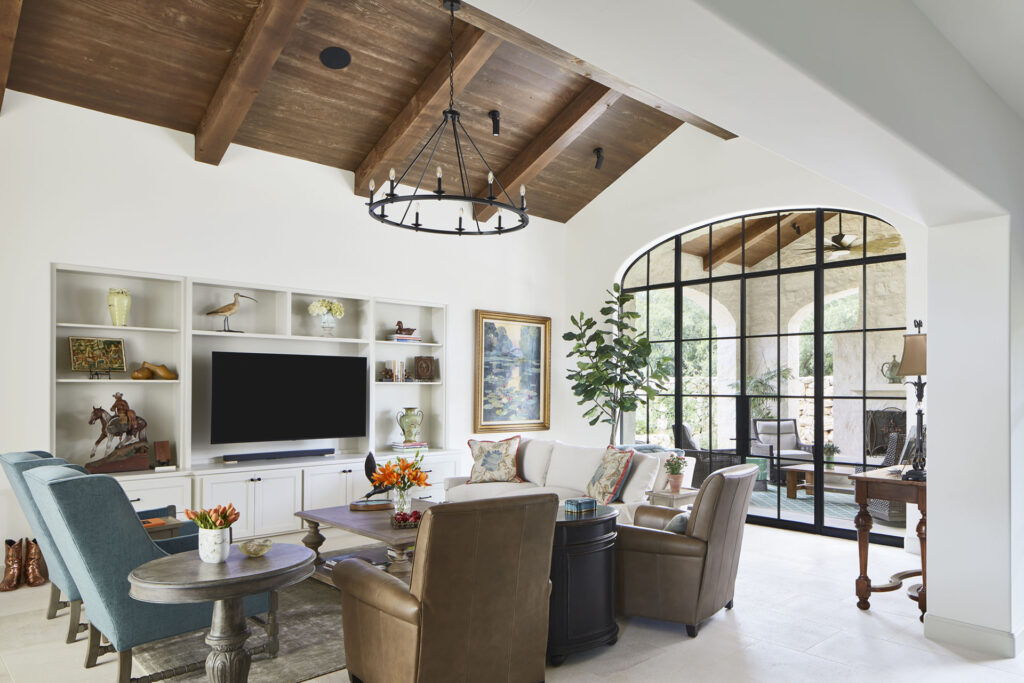
True Divided Lite windows – particularly steel or bronze windows – have a distinctive visual aesthetic that immediately sets them apart.
While manufacturing technology has advanced hugely since this style of window was invented, the overall look and feel hasn’t changed very much – making them the preferred window for restoration projects and period properties, but also a timelessly beautiful choice for contemporary homes.
Here are some of the key visual features of TDL windows:
- Superior proportions
Because the gridded part of a TDL window is structural and therefore weight bearing, the overall proportions of the window frame are enhanced. The external part of the frame can be more slender because it doesn’t have to carry the weight of one large pane of glass, and the individual apertures will look more in proportion to the overall size and shape of the window for a more elegant appearance. - Narrow sightlines
The innate strength of metal – particularly bronze, which can be extruded into very slender forms without losing structural integrity – producing muntin bars and frame sections that maximise glazed area and natural light.. This allows the designer to achieve a ‘less frame, more window’ look that maximizes natural light, framing the external view – not obstructing it.. - Deeper profile & shadows
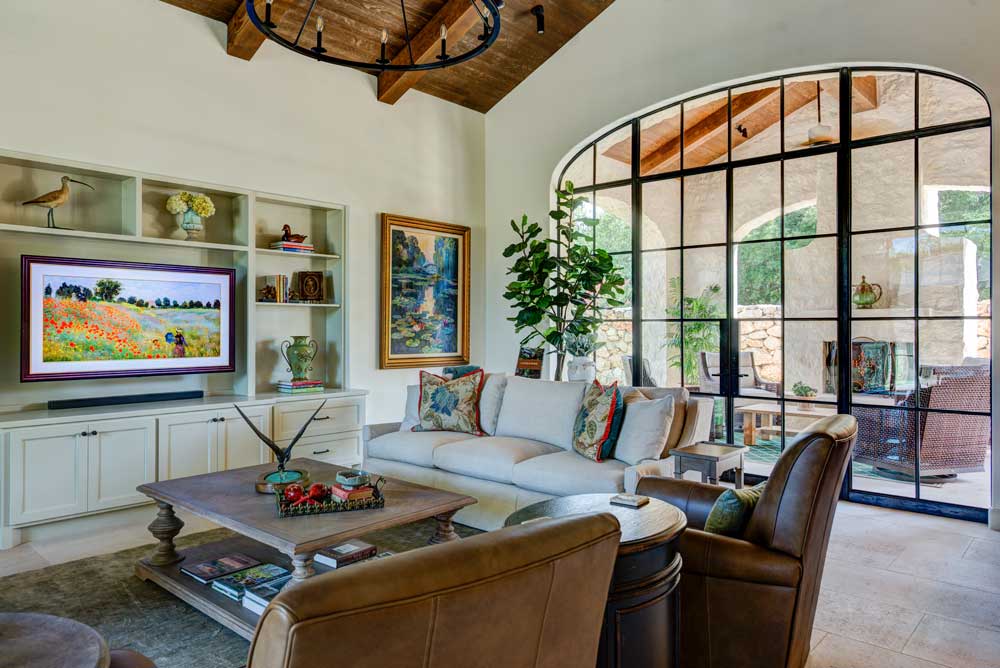
TDL windows with genuine muntin bars have a naturally deeper profile. This depth casts shadows into each aperture’s reveal – an effect that reads as age, weight and permanence from the moment a window is installed. SDL windows, with their surface-applied muntin bars, are unable to produce the same effects. - Unique reflective properties
Where SDL windows have a ‘flat’ reflection due to the single, uniform pane of glass, each pane in a TDL window reflects and refracts the light independently. Reflections change with the light, the weather and the angle of view. External glare is reduced, while interior light is distributed more richly. A newly installed bronze TDL window carries the optical character of one that has been there for generations..
Are True Divided Lite windows thermally efficient?
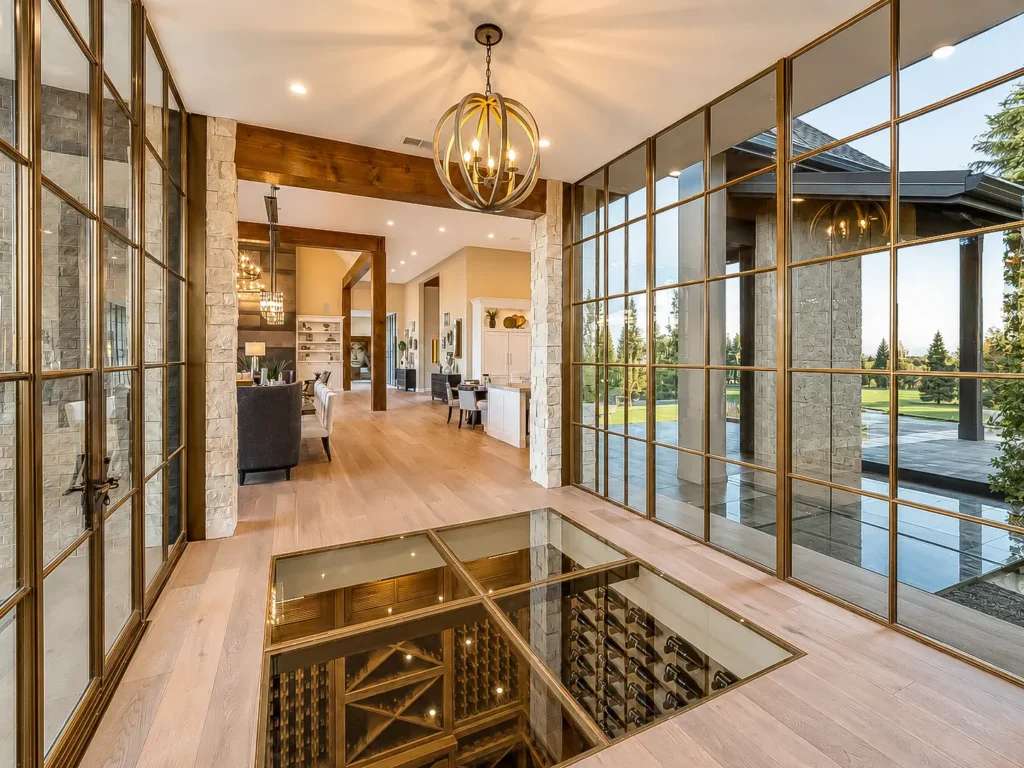
Just because you want to achieve the classic look and feel of a building with history, doesn’t mean you can compromise on the performance of your fenestration system – and whether you’re restoring a Colonial-style home or building a new one from scratch, it’s vital the windows you specify meet the latest standards on thermal performance.
Very old TDL windows were single glazed and notoriously draughty – but replace them with quality, solid bronze TDL windows from Renaissance Genuine Solid Bronze and homeowners will enjoy some of the best insulation properties money can buy.
Our solid bronze window and door frames are thermally broken so they don’t conduct heat into or out of a building, and can be glazed to the client’s specification using high-performance double or even triple glazed units to create supremely beautiful and energy-efficient glazing systems.
Are True Divided Lite windows durable?
Windows represent a significant proportion of the overall budget on any construction or restoration project, so you need to feel confident that the system you specify can deliver value for money in the long term.
Steel is without doubt the most commonly specified material for TDL windows – and while bronze commands a premium of around 10-15% against steel windows from premium brands like Brombal, Jada and Euroline, it returns considerably more.
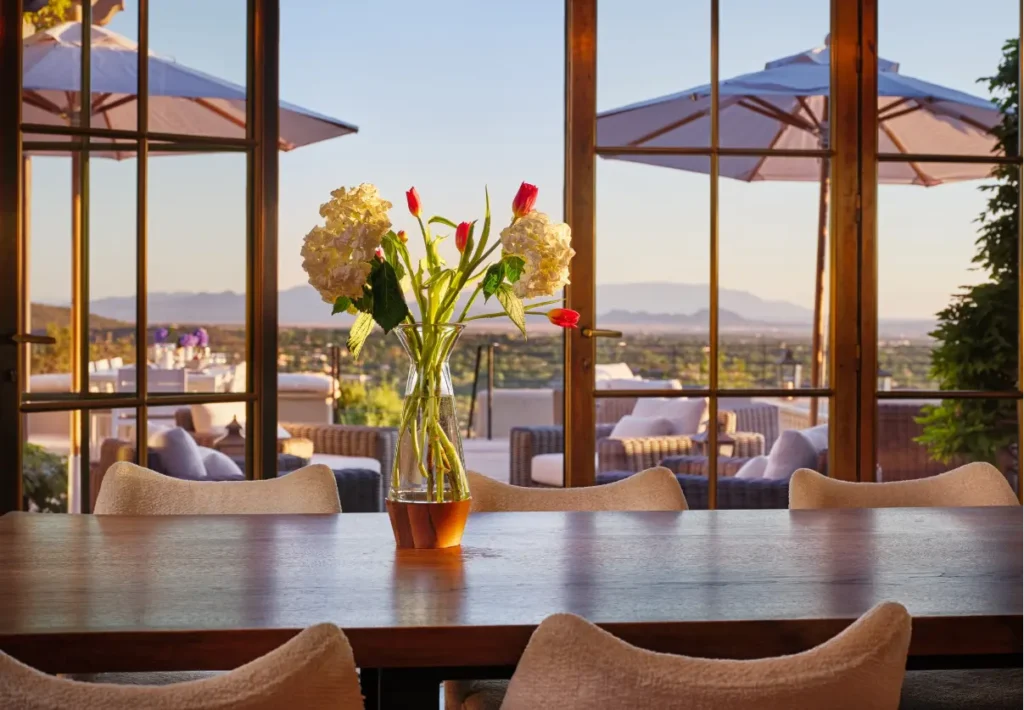
Bronze is one of the hardest metals on the planet and also the most corrosion resistant – it will never rust or rot, and requires no maintenance or painting. We are the only American manufacturer manufacturing solid bronze windows with a natural, golden bronze finish – a truly decadent choice that speaks to prestige architecture and only grows more beautiful with age. We also offer a selection of hand-applied patina finishes that speed up the natural process of bronze ageing. Once the patina has developed, it protects the metal beneath from the elements in perpetuity, even in demanding conditions and coastal locations.
Renaissance True Divided Lite windows are designed with a removable stop system that makes it easy to remove and replace one or more glass panes in the event of accidental damage to the glass. This is done without the need to lower the window, reducing downtime and risk to your home interiors.
Want to know more?
To find out more about our solid bronze window and door systems, download a copy of our brochure – or get in touch with our expert team who will be happy to discuss bespoke design options for your next project.